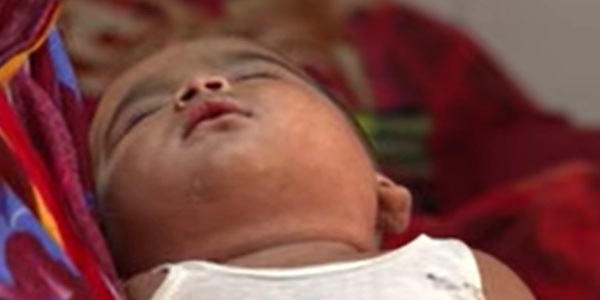
Measles is a serious disease in young children.
A MEASLES outbreak which has been running through Bangladesh since March has already killed at least 500 children – despite government efforts to treat those infected and curb the spread of the virus.
Measures taken by the Government to curb the disease range from short term measures, such as cancelling Eid leave for healthcare workers, to longer term measures such as a mass vaccination campaign. This campaign is something of a catch-up exercise, as many children missed out on vaccinations during Covid and the change in government in the country. The spread of measles after the fall in vaccination should go some way to proving how successful vaccinations can be in saving illness and lives.
The Health Ministry claims there have been up to 60,000 cases over the last three months, with precise figures waiting on test results to be collated. The number of cases is highest in densely populated areas such as Dhaka and Cox’s Bazar.
There are fears that hospitals are now spreading the disease: there are so many children in hospital waiting for treatment that children attending hospital for other reasons are contracting this highly contagious disease. There are also fears that sick children who cannot get into overcrowded hospitals, or who delay attendance as they cannot afford to pay for treatment, are spreading the disease to siblings and neighbours.
There is a disagreement between UNICEF and the Bangladesh Government over whether the country has enough vaccines. UNICEF says that after Sheikh Hassina’s Government fell, the interim Government delayed ordering vaccines – despite warnings from UNICEF that these delays would reduce vaccination rates and lead to the situation we see today. The Government has denied this accusation, claiming that there were no delays and there was a good relationship with UNICEF.
The good news is that the Government’s emergency vaccination campaign is beginning to succeeds – stopping the increase in the number of new cases. However, measles is making a comeback in several areas of the world. Health professionals and communities should be working with governments to ensure that these life-saving vaccines are delivered routinely.
●To catch up with the news in East London, go to:
East London News








Chief Editor: Kamal Tayab, Editor and Publisher: Shah Yousuf
Copyright © 2026 LB24